Lead safety content with limits
Separate general warning signs from diagnosis and include owner-approved emergency guidance. Do not coach unqualified visitors through live electrical work or imply that content replaces inspection.
Industry marketing playbook 03
Separate urgent hazards from planned upgrades, and never diagnose from a web page. Tell worried customers to stay safe and call; for panel, charger, or generator work, explain how you assess the job. Show your license accurately, because customers check.
← All industry playbooksThe customer journey
A customer who smells burning, sees arcing, or repeatedly loses power wants rapid guidance and a trustworthy contact, but the page must not encourage unsafe investigation. The decision is shaped by current availability, service coverage, licensing where required, and whether the business communicates a safe next step.
Upgrade searches—panels, vehicle charging, lighting, generators, remodeling, or inspections—often involve compatibility, capacity, permits, incentives, and future use. Customers compare electricians by the clarity of their assessment process and proof of similar installations, not only by a list of components.

A customer who smells burning, sees arcing, or repeatedly loses power wants rapid guidance and a trustworthy contact, but the page must not encourage unsafe investigation. The decision is shaped by current availability, service coverage, licensing where required, and whether the business communicates a safe next step.
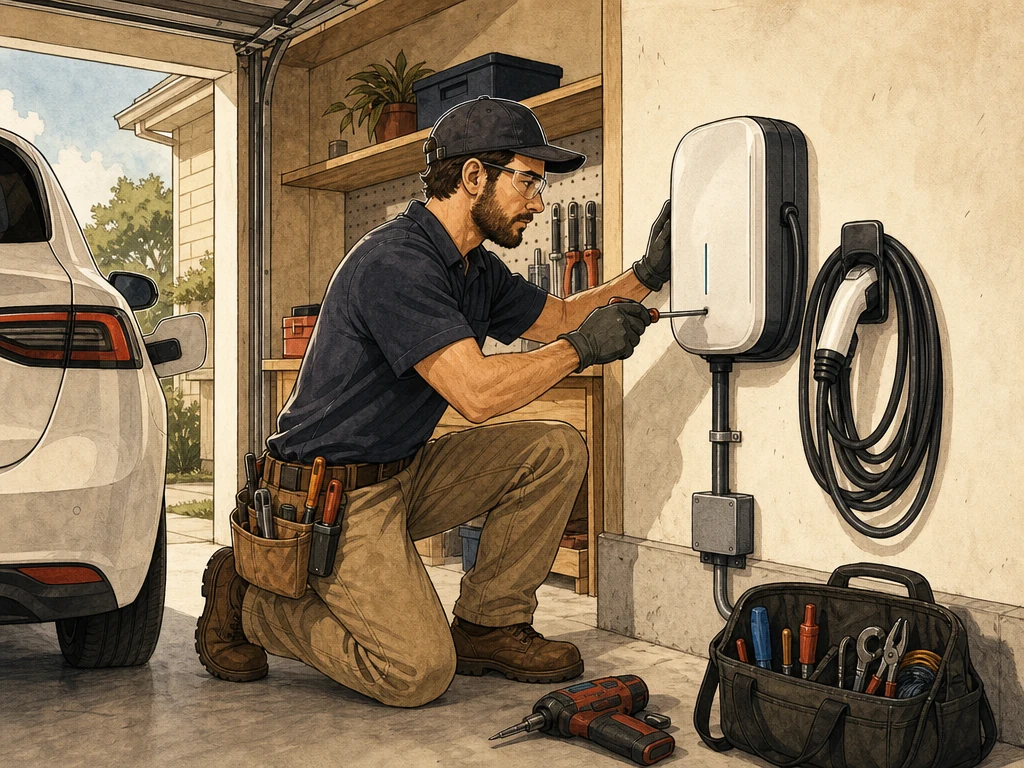
Separate urgent hazards from planned upgrades, and never diagnose from a web page. Tell worried customers to stay safe and call; for panel, charger, or generator work, explain how you assess the job. Show your license accurately, because customers check.

Upgrade searches—panels, vehicle charging, lighting, generators, remodeling, or inspections—often involve compatibility, capacity, permits, incentives, and future use. Customers compare electricians by the clarity of their assessment process and proof of similar installations, not only by a list of components.
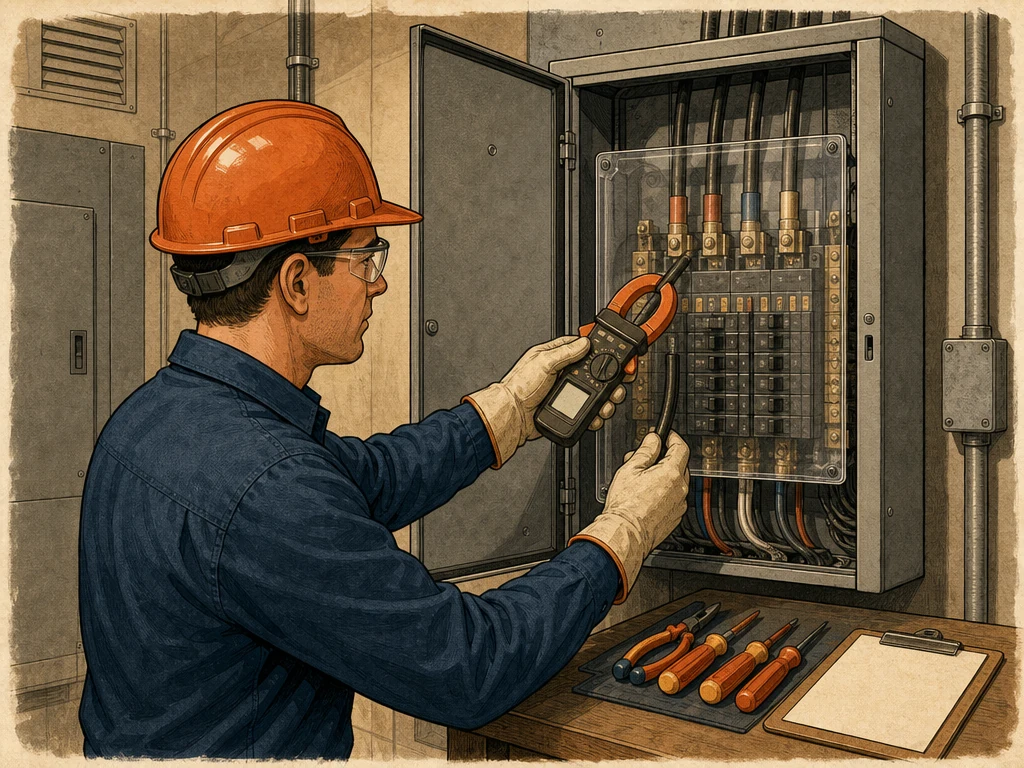
A local marketing playbook for electricians: safety-first pages, upgrade projects, Google Business Profile, reviews, ads, and licensing.
What matters most now
Separate general warning signs from diagnosis and include owner-approved emergency guidance. Do not coach unqualified visitors through live electrical work or imply that content replaces inspection.
For each verified upgrade, explain assessment inputs such as existing capacity, equipment requirements, site conditions, permitting, and utility coordination rather than publishing a shallow product page.
Show licenses, certifications, insured status, or manufacturer training only when current and applicable to the jurisdiction and work. Avoid badges or code-compliance claims that cannot be substantiated.
Use diagrams, labeled installation photos, and process explanations to reveal planning that finished-wall photography cannot show. Obtain approval and remove identifying customer information.
Review pages that discuss codes, permits, rebates, or utility programs because requirements can vary and change. Date material where useful and point visitors to authoritative current sources.
Most electricians work at the customer's property, so a service area with a hidden home address is typical. Your services list should match what your website offers.
Categories to review: Electrician, Electrical installation service. Confirm each name in the profile's category picker; Google changes the list.
Electrical reviews often mention safety, clear explanations, punctuality, tidy work, and whether the problem stayed fixed.
"Electricians" is on Google's U.S. Local Services Ads (LSA) category list. Search ads help when you want to promote specific upgrades, such as vehicle chargers, to a chosen area.
Google's Local Services Ads category list and setup change over time, and Google began moving Local Services Ads into Google Ads as Performance Max campaigns with pay-per-lead goals in 2026. Check the current Local Services Ads help pages for your category and area. Google Ads Help: Local Services Ads transition to Performance Max campaigns with pay-per-lead goals
Electrical demand often rises after storms and outages, and upgrade interest can follow home projects, new equipment purchases, or incentive programs. Use your own call history to plan.
Licensing and advertising rules
Electricians are licensed at the state or local level in many places, and some jurisdictions require the license number in advertising. California, for example, requires it for licensed contractors.
Check your state or local licensing board for advertising rules.
Show your license number where required.
Don't claim code compliance or permit approval before the work is inspected.
Rules vary by state, locality, and profession, and they change. This is general information, not legal advice; confirm with a qualified attorney for your situation.
Search visibility, ad performance, calls, leads, and revenue depend on demand, competition, your starting point, and factors outside any agency's control. Results are not guaranteed.
Questions business owners ask
Provide high-level warning signs, clear limits, and an appropriate contact or emergency direction approved by the business. Avoid remote diagnosis and procedural instructions that could expose an unqualified reader to energized equipment.
They can help customers plan when the information is locally relevant, sourced, dated where appropriate, and careful about jurisdictional differences. The page should never promise approval or substitute for an onsite assessment.
Accurate credentials, permissioned installation media, an explanation of assessment and testing, and reviews from relevant work are useful. Every claim should match the electrician's actual services and records.
Primary guidance
Category-specific, never fill-in-the-blank