Divide urgent problems from planned work
Organize navigation and calls to action around the customer's situation. An urgent repair page should prioritize availability and contact; an installation page can support deeper comparison and planning.
Industry marketing playbook 02
Split your marketing between urgent problems and planned work. Someone with a burst pipe needs your hours and phone number in seconds; someone replacing a water heater wants to compare options. Make both paths obvious, and only promise emergency service you can actually deliver.
← All industry playbooksThe customer journey
For a leak, backup, or loss of hot water, the customer searches on a phone, scans the map results, checks current availability and service coverage, and calls quickly. Clear problem language, visible hours, fast mobile pages, and a direct phone path matter more in this moment than a long company history.
For repiping, fixture work, water-heater replacement, or another planned job the journey is slower. The customer compares options, asks about disruption, maintenance, efficiency, and cost factors, and reads reviews for diagnosis quality and respect for the home before requesting an appointment or estimate.

For a leak, backup, or loss of hot water, the customer searches on a phone, scans the map results, checks current availability and service coverage, and calls quickly. Clear problem language, visible hours, fast mobile pages, and a direct phone path matter more in this moment than a long company history.
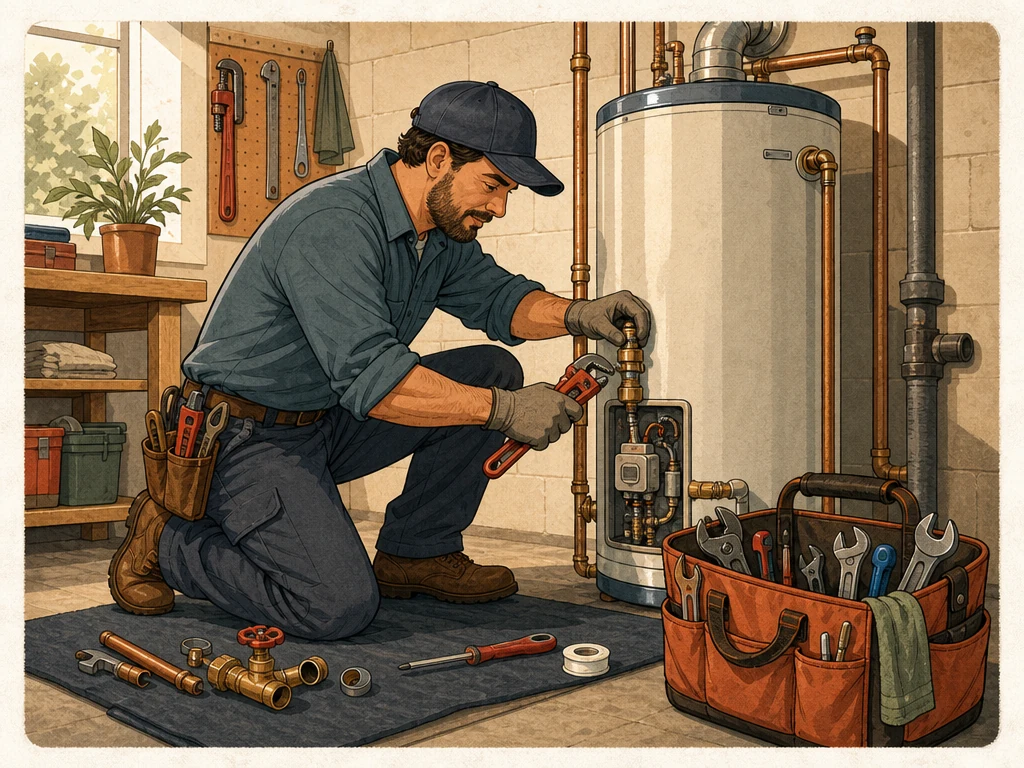
Split your marketing between urgent problems and planned work. Someone with a burst pipe needs your hours and phone number in seconds; someone replacing a water heater wants to compare options. Make both paths obvious, and only promise emergency service you can actually deliver.
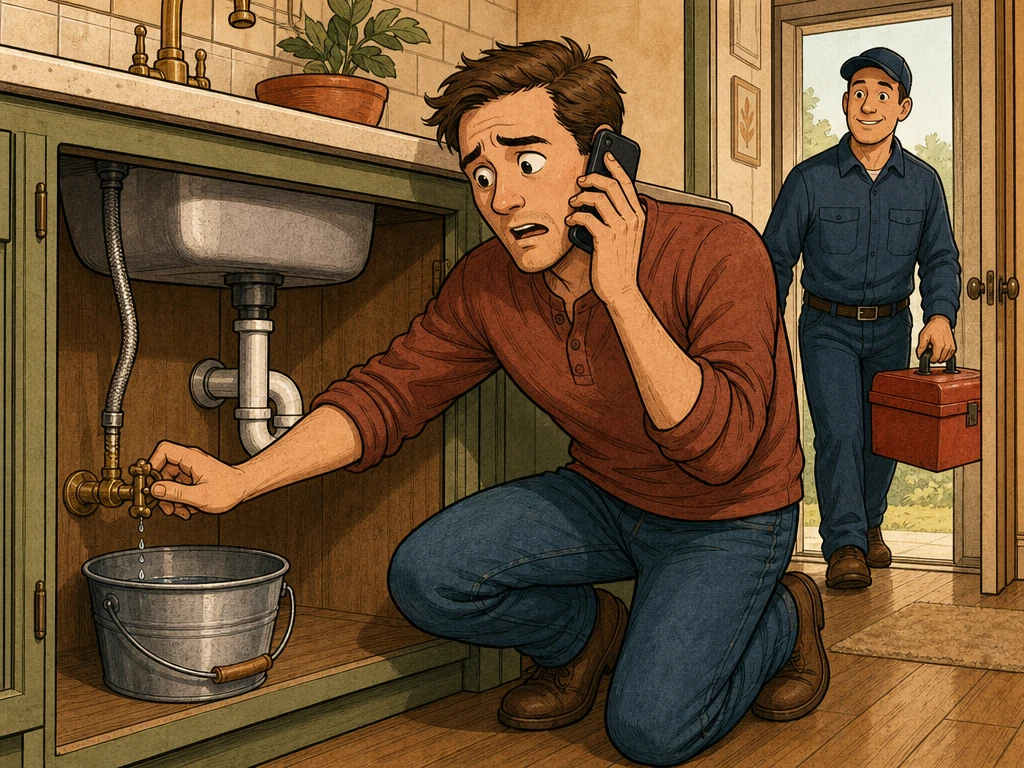
For repiping, fixture work, water-heater replacement, or another planned job the journey is slower. The customer compares options, asks about disruption, maintenance, efficiency, and cost factors, and reads reviews for diagnosis quality and respect for the home before requesting an appointment or estimate.

A local marketing playbook for plumbers: emergency and planned-work pages, Google Business Profile, reviews, ads, and seasonal demand.
What matters most now
Organize navigation and calls to action around the customer's situation. An urgent repair page should prioritize availability and contact; an installation page can support deeper comparison and planning.
Explain common signs, safe immediate steps, and when professional diagnosis is appropriate without claiming that a symptom proves one cause. Link each problem guide to the relevant verified service.
Synchronize website and Business Profile hours and use terms such as 24-hour or emergency only if the business can consistently fulfill them. State dispatch or after-hours limits plainly.
Describe diagnostic approach, applicable credentials, equipment, replacement choices, and property-protection practices in customer language. Avoid unsupported superlatives and jargon-only copy.
Use call and form attribution responsibly, then classify inquiries by urgent versus planned intent, service type, location, and qualified outcome to guide page improvements.
Most plumbers work at the customer's property, so set a service area and hide a home address. Keep hours exact, because urgent callers check them first.
Categories to review: Plumber, Drainage service. Confirm each name in the profile's category picker; Google changes the list.
Plumbing reviews tend to mention how fast you arrived, whether the fix lasted, clear pricing, and respect for the home.
"Plumbers" is on Google's U.S. Local Services Ads (LSA) category list, where you pay per lead rather than per click. Search ads fit when you want to control keywords, hours, and service types.
Google's Local Services Ads category list and setup change over time, and Google began moving Local Services Ads into Google Ads as Performance Max campaigns with pay-per-lead goals in 2026. Check the current Local Services Ads help pages for your category and area. Google Ads Help: Local Services Ads transition to Performance Max campaigns with pay-per-lead goals
Plumbing demand is steady but spikes with weather events, such as freezing temperatures that can burst pipes, and around holidays when drains get heavy use.
Licensing and advertising rules
Plumbers are licensed at the state or local level in many places, and some jurisdictions require the license number in advertising. California, for example, requires it for licensed contractors.
Check your state or local licensing board for advertising rules.
Show your license number where required, including on your website and vehicles.
Only mention certifications you currently hold.
Rules vary by state, locality, and profession, and they change. This is general information, not legal advice; confirm with a qualified attorney for your situation.
Search visibility, ad performance, calls, leads, and revenue depend on demand, competition, your starting point, and factors outside any agency's control. Results are not guaranteed.
Questions business owners ask
Usually, yes, when the company offers both. The urgency, information need, conversion action, and proof differ enough to justify distinct experiences, provided each page contains real service detail.
It can explain plausible causes and warning signs, but should not present an unverified remote diagnosis as fact. Make safety limits clear and explain when an onsite assessment is needed.
Hours, after-hours availability, phone routing, service boundaries, offered services, appointment links, and Business Profile details should reflect current operations. Incorrect availability creates immediate customer friction.
Primary guidance
Category-specific, never fill-in-the-blank